Introduction
Automated parking systems have revolutionized the way we park our vehicles. Gone are the days of circling around crowded parking lots, desperately searching for a spot. With electronic parking systems and robotic parking systems becoming more prevalent, it's essential to understand what factors influence their cost. In this article, we will delve into the various elements that determine the cost of automated parking systems.
Factors Affecting the Cost of Automated Parking Systems
1. System Capacity
The capacity of an automated parking system plays a significant role in determining its cost. The larger the system's capacity, the higher the cost associated with its design, construction, and installation. A system designed to accommodate hundreds of vehicles will require more complex engineering and structural components, resulting in increased expenses.
2. Technology Integration
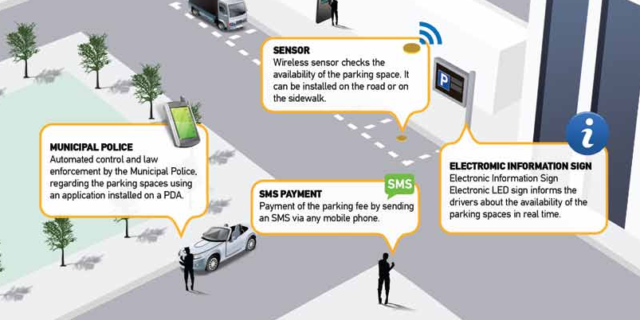
The level of technology integration within an automated parking system can significantly impact its cost. Advanced features such as real-time monitoring, vehicle recognition systems, and mobile app integration can drive up the overall price tag. These technological advancements enhance user experience and ensure smooth operations but come at an additional cost.
3. Customization and Design Complexity
The level of customization and design complexity required for an automated parking system is another crucial factor influencing image source its cost. Each project may have specific design requirements based on available space, architectural constraints, or aesthetic preferences. Tailoring the system to meet these unique specifications often involves additional engineering efforts and material costs.
4. Construction Site Considerations
The characteristics of the construction site also play a role in determining the cost of automated parking systems. Factors such as soil conditions, topography, access points, and existing infrastructure can impact the complexity of construction and installation processes. Sites with challenging terrain or limited accessibility may require additional measures like reinforced foundations or specialized equipment, resulting in higher costs.
5. Maintenance and Operational Expenses
When considering the cost of an automated parking system, it's essential to account for long-term maintenance and operational expenses. Regular maintenance, equipment servicing, software updates, and potential repairs must be factored into the overall cost analysis. Additionally, energy will speak consumption and staffing requirements should be considered for accurate budgeting.
Frequently Asked Questions
Q: Are automated parking systems suitable for all types of vehicles? A: Yes, automated parking systems can accommodate various types of vehicles, including sedans, SUVs, and even motorcycles.
Q: Can automated parking systems be installed in existing buildings? A: Yes, automated parking systems can be retrofitted into existing buildings with sufficient space and structural capacity.
.jpg)
Q: How long does it take to park or retrieve a vehicle in an automated parking system? A: The time required for parking or retrieving a vehicle varies depending on the design and capacity of the system but typically ranges from 1 to 5 minutes.
Q: Are automated parking systems secure? A: Yes, automated parking systems employ various security measures such as access control systems, surveillance cameras, and alarm systems to ensure the safety of vehicles.
Q: Can automated parking systems be expanded in the future? A: Yes, most automated parking systems are designed with scalability in mind, allowing for future expansion if needed.
Q: Do automated parking systems require manual intervention? A: No, once a vehicle is parked inside the system, it is entirely automated and does not require any manual intervention for storage or retrieval.
Conclusion
As technology continues to advance at a rapid pace, automated parking systems are becoming more commonplace. Understanding what determines their cost is crucial for developers, property owners, and potential investors. Factors such as system capacity, technology integration, customization complexity, construction site considerations, and ongoing maintenance expenses all contribute to the overall cost of these innovative parking solutions. By considering these factors, stakeholders can make informed decisions and ensure the successful implementation of automated parking systems.